 |
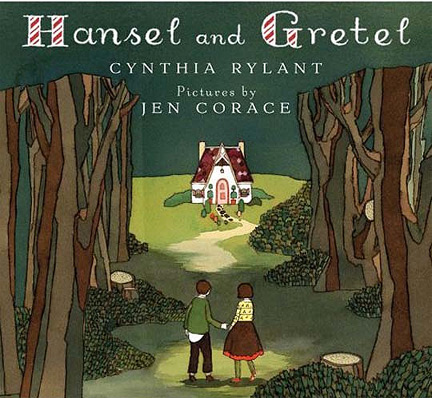
| Wilderness survival book: What not to do. |
Traditionally these stories would be told orally, just as they were when you were little, but as media got more advanced the stories followed. From oral tellings, to songs, drawings, written, print, coin-operated peek shows, radio, silent films, talkies, TV, internet and finally, games.
You may be thinking: 'Hold on, those things just give information, not stories.' But almost everything is a story, from the news in newspapers or on TV's to blogs on the internet. For example: a recipe on a website is a story of how someone made a yummy cake, you can learn from this story and make the same cake they did.
So how does this fit in with games? Well in three ways. For one; a game can allow you to experience a story and the messages encoded within it (Such as, The Legend of Zelda). Two; a game can be an open space for you to play with concepts of your reality or in other words create a story of your own (Knights of the Old Republic or Minecraft). Three; a game can allow you to both tell and experience a story through interacting with others (World of Warcraft online play).
This is a bit contradictory to the agency we have been told is important in games, because in most cases we do not actually have any ability to change a story being told to us. Yet, situated immersion might actually make a stronger case if it was viewed as the ability to put yourself in a story, rather than your ability to interact with it. Especially seeing how stories have had such an impact on development through life. Plus - people like stories, because we have grown up with them and not only personally, but culturally and as a species. Listening and telling stories is in our blood.
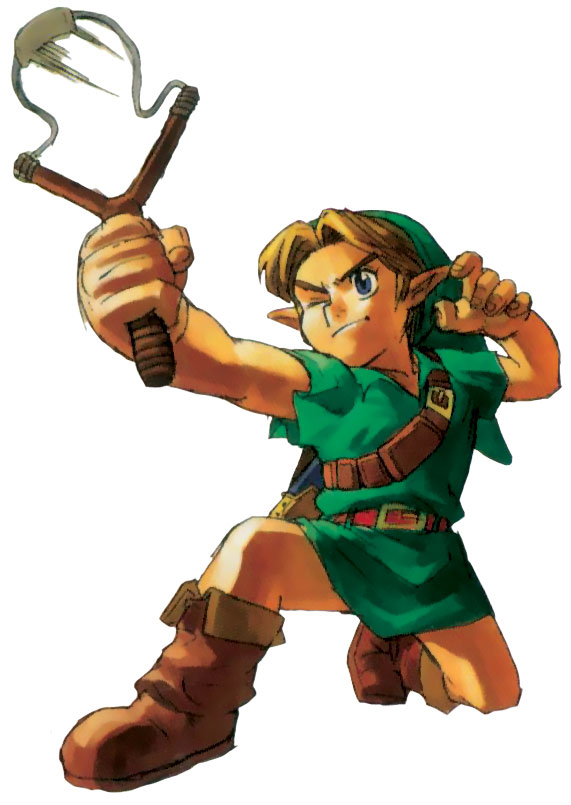
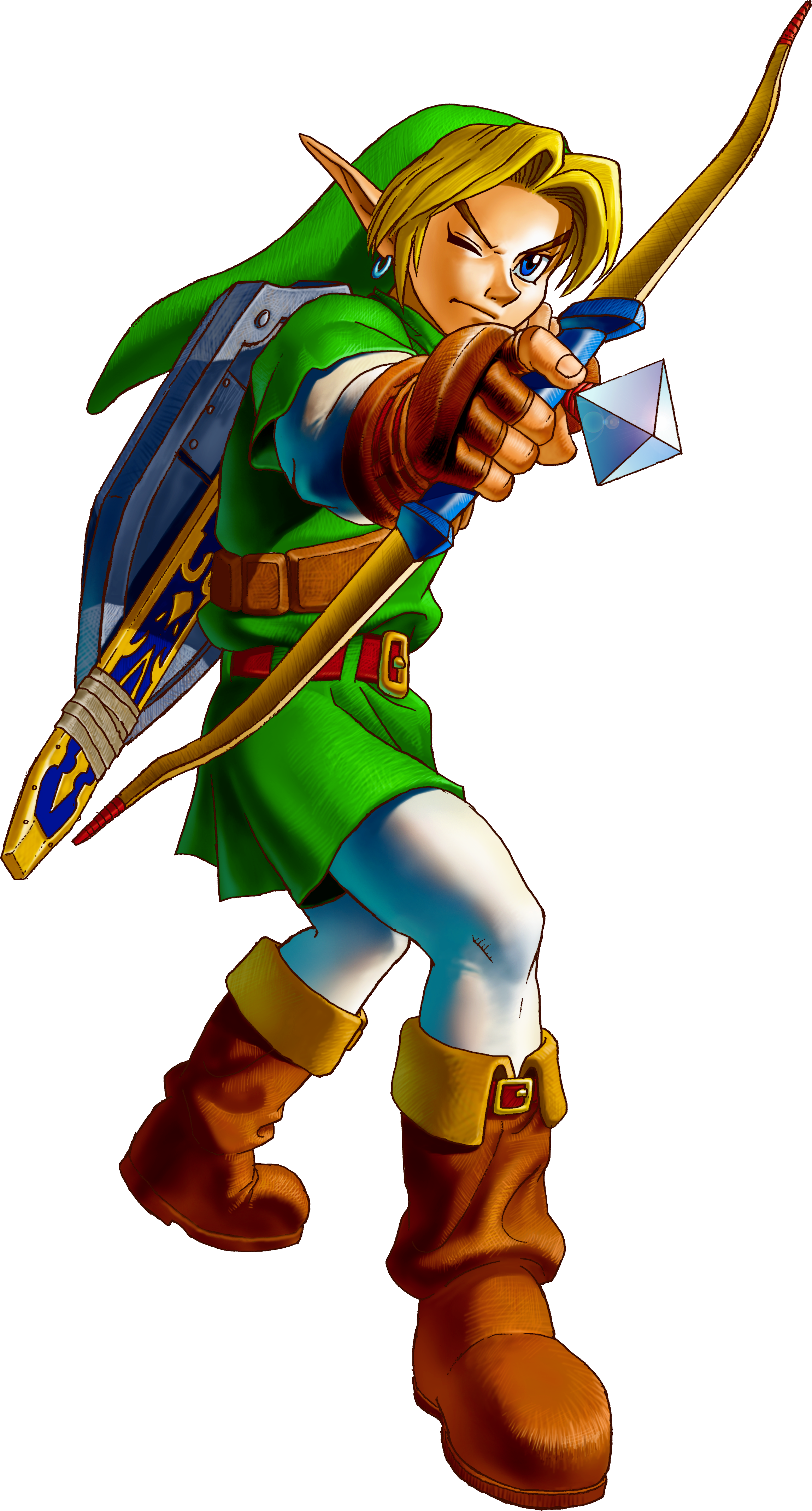
With this it makes sense for kids to really like stories, it is how we learn as a child and become an adult. Both through hearing about the world through stories like "Don't touch the electrical socket or you will get a nasty shock" (Short story but good message), or learning about morals, relationships and development through Gimm's fairy tales (E.g. Jack and the Bean stalk being about male sexual development). If I link this back to gaming though, a pre-set story teaches you how to live or maybe an important moral . Such as, the moral of Portal: there are many different ways you can approach a problem and 'if at first you don't succeed, try and try again'. Or a possible interpretation of meaning in The Legend of Zelda Ocarina of Time - Children are not immune from problems and trouble, challenging kids is healthy and rewarding, and finally some problems are best kept out of the reach of children and fixed by adults (e.g. Child link had a slingshot, a weapon of mischief, Adult link has a bow, weapon of war and responsibility).
Then there is creation of story: writing stories, drawing pictures etc. Next time a kid draws a picture, ask them for the story behind it, you might be impressed. The adult version of this being through the process of creation, allowing a person to play with the concepts of reality internally, with the end result being a story reflecting their 'play' with these concepts. The game example being, if you are given freedom over an environment with set rules, what would you do? Such as in Knights of the Old Republic, very simple choice - Good or bad? We are taught to be nice people and most people are, but when given a situation where a nice person has the option to be a total asshole just to play with the concept of doing so, what will the result be? Bastard of the Old Republic, shows us just that Massive Roleplaying Games (Of which you play single player) give us the option to play outside ourselves in broad ways. The personal decision to go against your gut instinct and be evil can be hard, and this difficulty creates the story of the nice guy who played nasty. This story will shape how you view personal actions in games and reality, plus the actions of anyone else who hears it. All this insight essentially through a story.
Finally, when you see kids playing some bizarre made up game, of which the rules are understood purely by them, it is a story based on both individual and shared experience, sort of a joint story telling. Normally this would be called shared history, and serves to bond people together. Those kids will remember they played this fun game that only they went through, just as a pilot in WW2 went through something that only other pilots in the same war would understand. Yet, this story is important if the event is significant enough for many people and creates a shared history between individuals, cultures and even societies, often going through further generations (which can be only a few years in virtual worlds with player turnovers) as myth and legend (But might be stretched a little bit...). The game version of this can be seen in MMORPG's like World of Warcraft, or simpler ones like Cyber Nations or Urban Dead. Simply playing the game is enough to create a bond between some people, but add in some raiding in World of Warcraft, a war in Cyber Nations or a Zombie Horde attacking a mall in Urban Dead or an alliance in any of these and the shared history increases, thus the bond strengthens.
Of course there is also the whole one up aspect of having a history, for example: My best score in Battlefield 2 online was 30 kills and no deaths... Bet that was higher than yours, meaning I am better. Or more likely, walking around in World of Warcraft with some very rare armor and being envied by other players.
To sum up: Agency (perceived or actual) in games might not be the most important part for immersion, rather three different types of stories which are present through our entire lives, but also pop up in games, cause us to immerse ourselves. Partly due to entertainment, but also through stories being how we learn and progress as human beings. Firstly, through stories of other people and places filling our heads with ideas (Linear story based gaming). Then, giving us a space to challenge our ideas and create different versions of ourselves and test them (Open ended, choice based games). Lastly, with constantly forming shared history in play and competition, setting ourselves with or against others we form our own stories which create ripples through time and space (even if it is only personal), but also give a feeling of worth in comparison with others (MMORPGs and Online gaming).
Really games are just the listening to, creation of and interacting with stories... Maybe that is why they are so popular.

No comments:
Post a Comment
Note: Only a member of this blog may post a comment.